

Let’s Break It Down
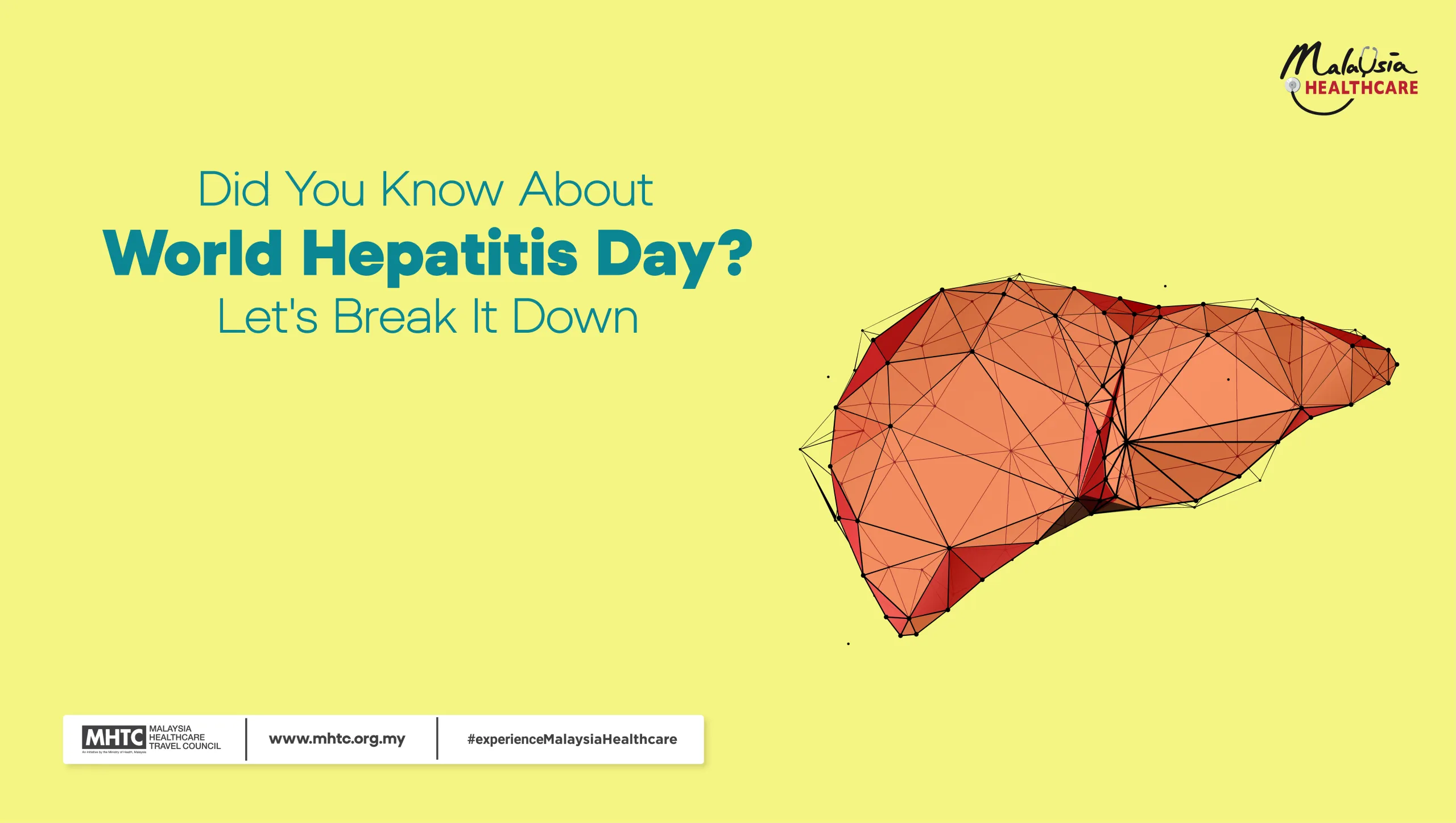
Each year on 28 July, the world comes together to observe World Hepatitis Day, one of only eight official global public health campaigns spearheaded by the World Health Organisation (WHO). But why does hepatitis get its own day? And what should we, as global citizens, know and do about it?
Taking the call of this year’s theme, let's break it down.
Why 28 July?
This date marks the birthday of Dr. Baruch Blumberg, the scientist who discovered the hepatitis B virus and developed the first vaccine against it. His contributions laid the foundation for saving millions of lives globally.
Hepatitis: What Is It?
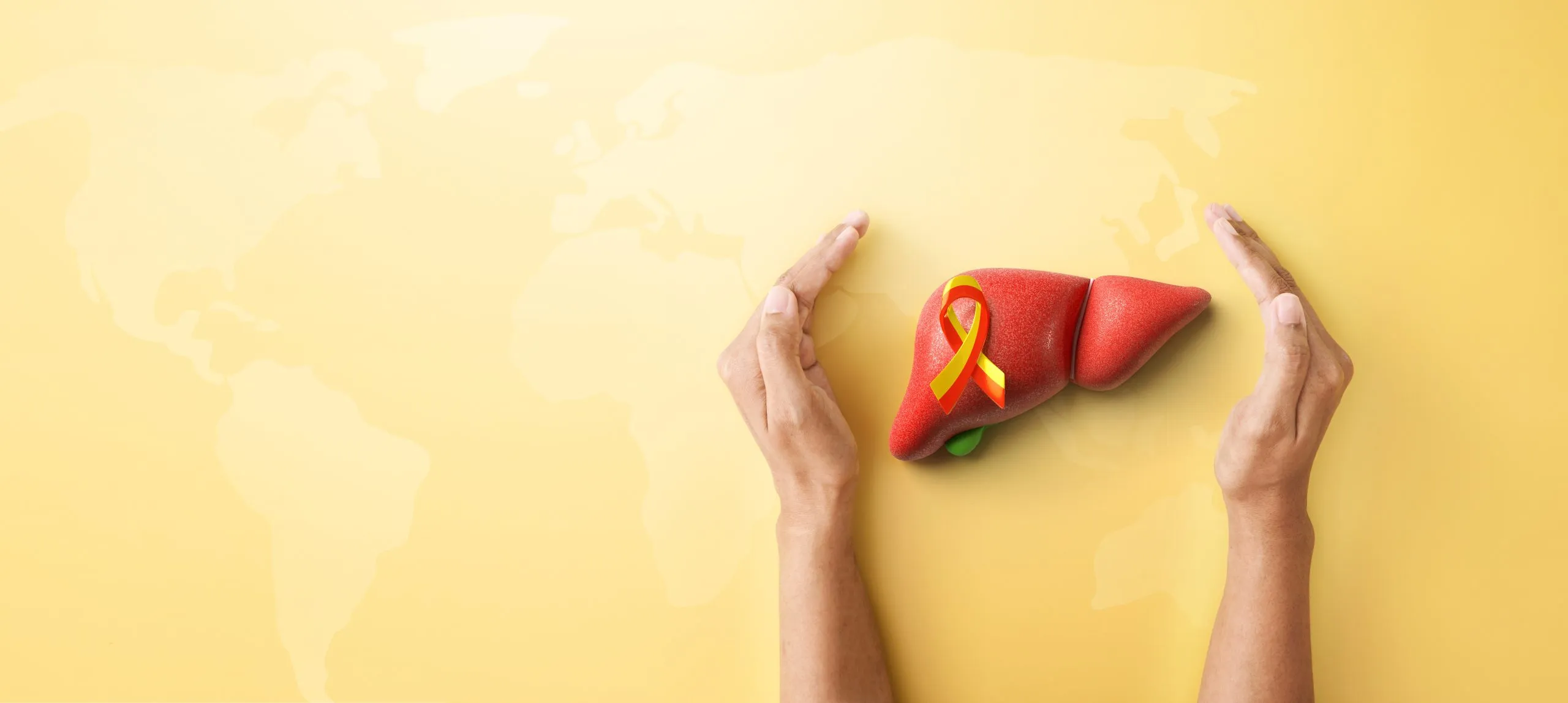
Image by Shutterstock
Hepatitis simply means inflammation of the liver. While it can result from toxins, alcohol use, or autoimmune conditions, the most common culprits are viruses; specifically hepatitis A, B, C, D, and E.
Some forms are short-term (acute) and resolve without lasting damage. Others are chronic, quietly attacking the liver over years, potentially leading to cirrhosis, liver cancer, or even death.
A Quick Breakdown:
Did You Know?

Image by Shutterstock
This Year’s Theme: Hepatitis: Let’s Break It Down
The WHO is calling for urgent action to eliminate the financial, social, and systemic barriers that stand in the way of hepatitis prevention and care, especially the stigma that keeps people from seeking help.
Common Symptoms (When They Do Show Up)
What You Can Do
Here’s the good news: most forms of hepatitis are preventable or treatable. Here’s how you can protect yourself and those around you:
Looking Ahead
The global goal is clear: eliminate viral hepatitis as a public health threat by 2030. That’s only five years away. But with coordinated efforts from governments, healthcare providers, and communities, it’s a future within reach.
Need help to find your healthcare provider? View the list of MHTC’s member hospitals in Malaysia here:
Here at Malaysia Healthcare, we prioritise a patient’s entire being, not just their physical symptoms or diagnosis, but taking into account their mental, emotional, social, and even spiritual well-being. This ensures their needs are met holistically with personalised care that supports every aspect of their healing and recovery journey.
References: