

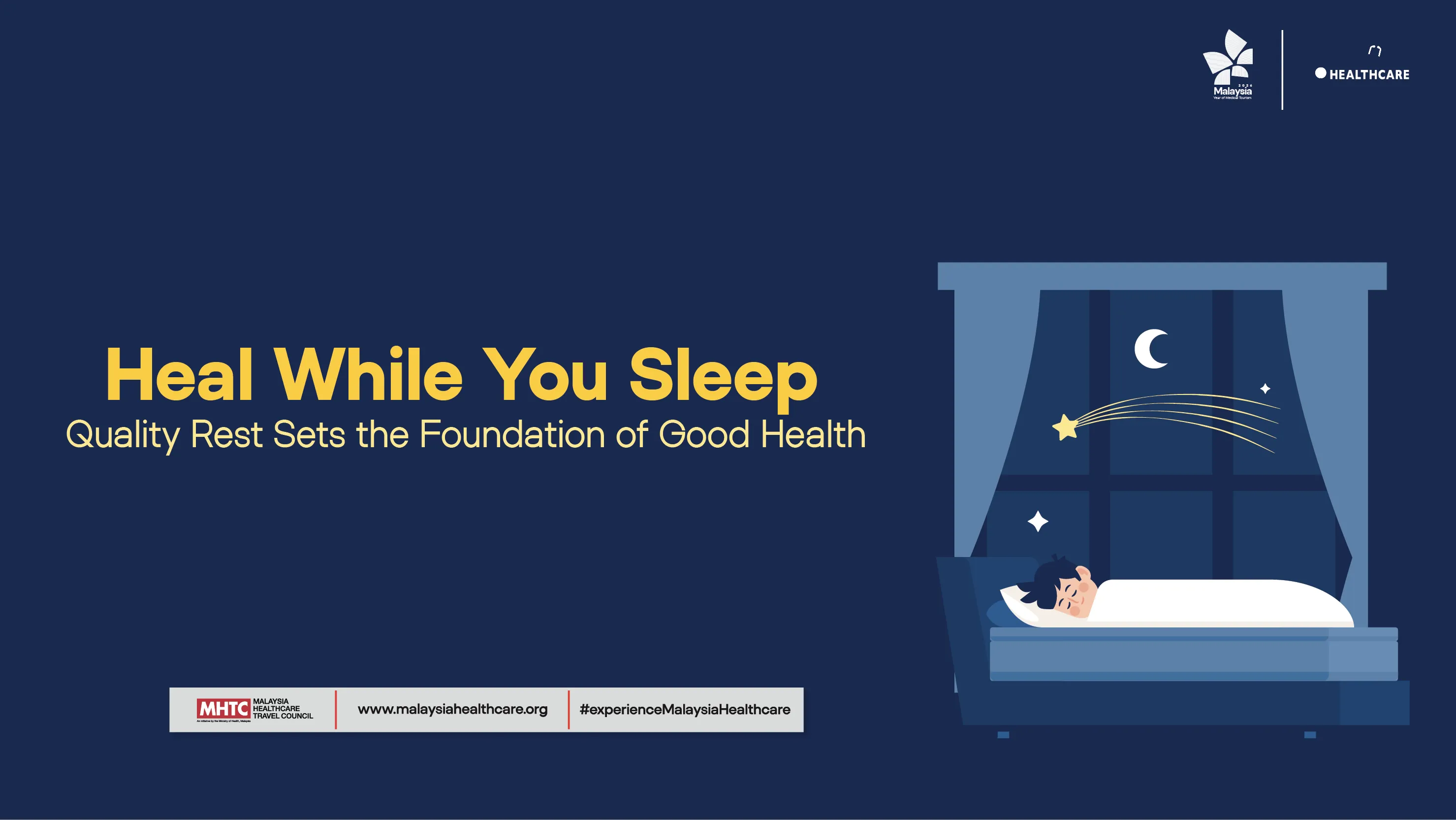
In the rush of modern life, sleep often becomes the first thing we sacrifice. Late-night work, endless scrolling, or simply trying to squeeze more hours into the day can make sleep feel like a luxury, when it’s supposed to be a necessity. Quality sleep is not just rest for the body; it’s a vital process that allows both the mind and body to heal, recharge, and function at their best.
Sleep is as essential as nutrition and exercise when it comes to maintaining good health. During deep sleep, the body repairs tissues, balances hormones, strengthens the immune system, and consolidates memories. Without sufficient rest, the body struggles to recover, leading to fatigue, weakened immunity, poor focus, and mood fluctuations.
The World Health Organisation (WHO) and numerous medical studies have linked chronic sleep deprivation to serious health conditions such as obesity, diabetes, cardiovascular disease, and even depression. In other words, sleep isn’t wasted time, it’s preventive medicine.
An adult typically needs 7–9 hours of sleep per night, but it’s not just about quantity. The quality of sleep, how deep and uninterrupted it is, matters just as much.
During sleep, we cycle through several stages: light sleep, deep sleep, and REM (rapid eye movement) sleep. Deep sleep is when the body restores physical energy, while REM sleep supports cognitive and emotional health. Disruptions, such as noise, stress, or inconsistent schedules, can prevent the body from entering these critical stages, leaving us feeling unrested even after a full night in bed.
Modern habits often work against good sleep. Overexposure to screens, caffeine late in the day, irregular sleeping hours, and stress can all interfere with the body’s natural circadian rhythm. Environmental factors such as room temperature, lighting, and noise also play a role. Over time, poor sleep patterns can accumulate into what experts call “sleep debt”, a deficit that impacts daily performance and long-term health.
The good news is that better sleep is achievable through small, consistent changes:
Some individuals may experience chronic insomnia or sleep disorders such as sleep apnea. In such cases, medical consultation and treatment are essential. Many Malaysian hospitals offer specialised sleep clinics that diagnose and manage these issues effectively.
While we sleep, our bodies perform crucial recovery work: repairing muscles, regenerating cells, and releasing growth hormones. The brain also “cleanses” itself of toxins accumulated during waking hours, improving mental clarity and emotional stability. Simply put, good sleep is one of the most powerful forms of natural healing.
The Malaysia Healthcare Travel Council (MHTC) continues to advocate for holistic wellness, where prevention, lifestyle, and medical care work hand in hand. Through initiatives under the Malaysia Year of Medical Tourism 2026 (MYMT 2026), MHTC highlights Malaysia’s world-class healthcare services, including sleep medicine, stress management, and integrative wellness care.
References: