

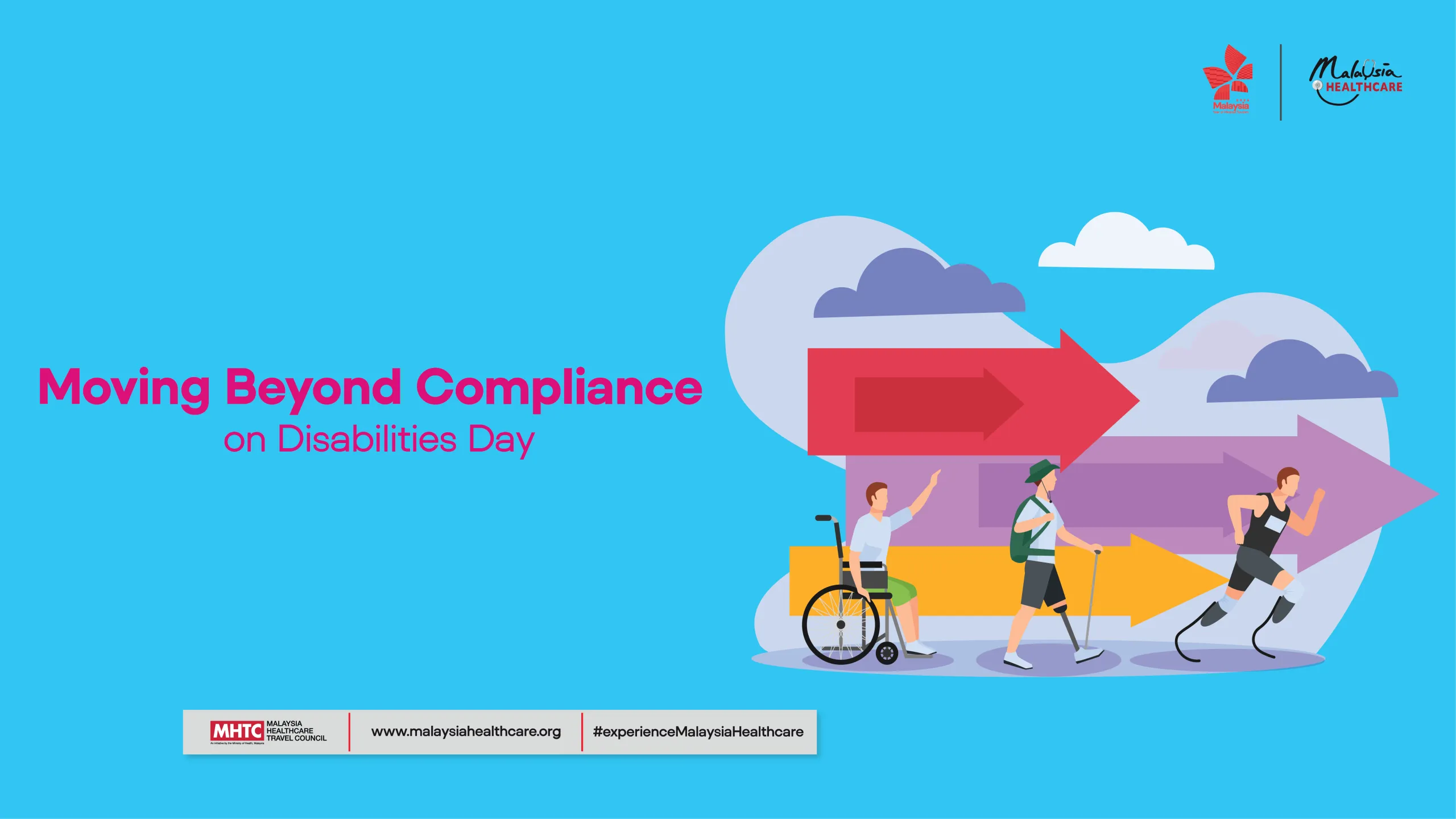
Disabilities Day serves as an important reminder of the need for inclusion, dignity, and equal access for persons with disabilities. Yet meaningful progress requires more than meeting minimum standards or ticking regulatory boxes. Moving beyond compliance means rethinking how systems, services, and mindsets can truly empower individuals of all abilities to participate fully in society, including in healthcare.
In the healthcare context, accessibility is not a courtesy. It is a fundamental right. While physical infrastructure such as ramps, lifts, accessible washrooms, and clear signage is essential, true inclusivity extends far beyond the built environment. It encompasses communication, service design, staff training, and an organisational culture that recognises and respects diverse needs.
Patients with disabilities often face unique barriers when seeking healthcare. These may include limited access to information in suitable formats, challenges in navigating healthcare facilities, or assumptions that overlook individual capabilities and preferences. Moving beyond compliance requires healthcare providers to proactively identify these barriers and address them through thoughtful, patient-centred approaches.
Inclusive healthcare begins with listening. Engaging persons with disabilities in the design and evaluation of healthcare services ensures that solutions are practical, respectful, and effective. Simple measures such as offering sign language interpretation, providing information in multiple formats, allowing sufficient consultation time, and ensuring continuity of care can significantly improve patient experiences and outcomes.
Equally important is the role of empathy and awareness among healthcare professionals. Training that builds understanding of different disabilities, whether physical, sensory, intellectual, or psychosocial, helps foster confidence and sensitivity in patient interactions. When healthcare teams are equipped with both knowledge and compassion, trust is strengthened and care becomes more holistic.
Moving beyond compliance also means embracing innovation. Digital health tools, teleconsultations, and assistive technologies have the potential to reduce access barriers and promote independence for persons with disabilities. However, these solutions must be designed inclusively from the outset to ensure they are usable, affordable, and accessible to all.
On a broader level, inclusivity in healthcare contributes to more resilient and equitable health systems. When services are designed to accommodate diverse needs, they become better for everyone. Parents with young children, older persons, and individuals recovering from illness or injury all benefit from environments and systems that prioritise accessibility and ease of use.
Disabilities Day is not only a moment for reflection, but also a call to action. It challenges organisations, policymakers, and communities to move beyond compliance and towards genuine inclusion. In healthcare, this means embedding accessibility into everyday practice rather than treating it as an afterthought.
By shifting the focus from obligation to opportunity, healthcare systems can play a powerful role in advancing inclusion. When persons with disabilities are supported to access care with dignity, autonomy, and confidence, healthcare becomes more than a service. It becomes a shared commitment to equity, respect, and human potential.
Moving beyond compliance is not a destination; it's a journey. One that requires collaboration, learning, and the courage to do better.