

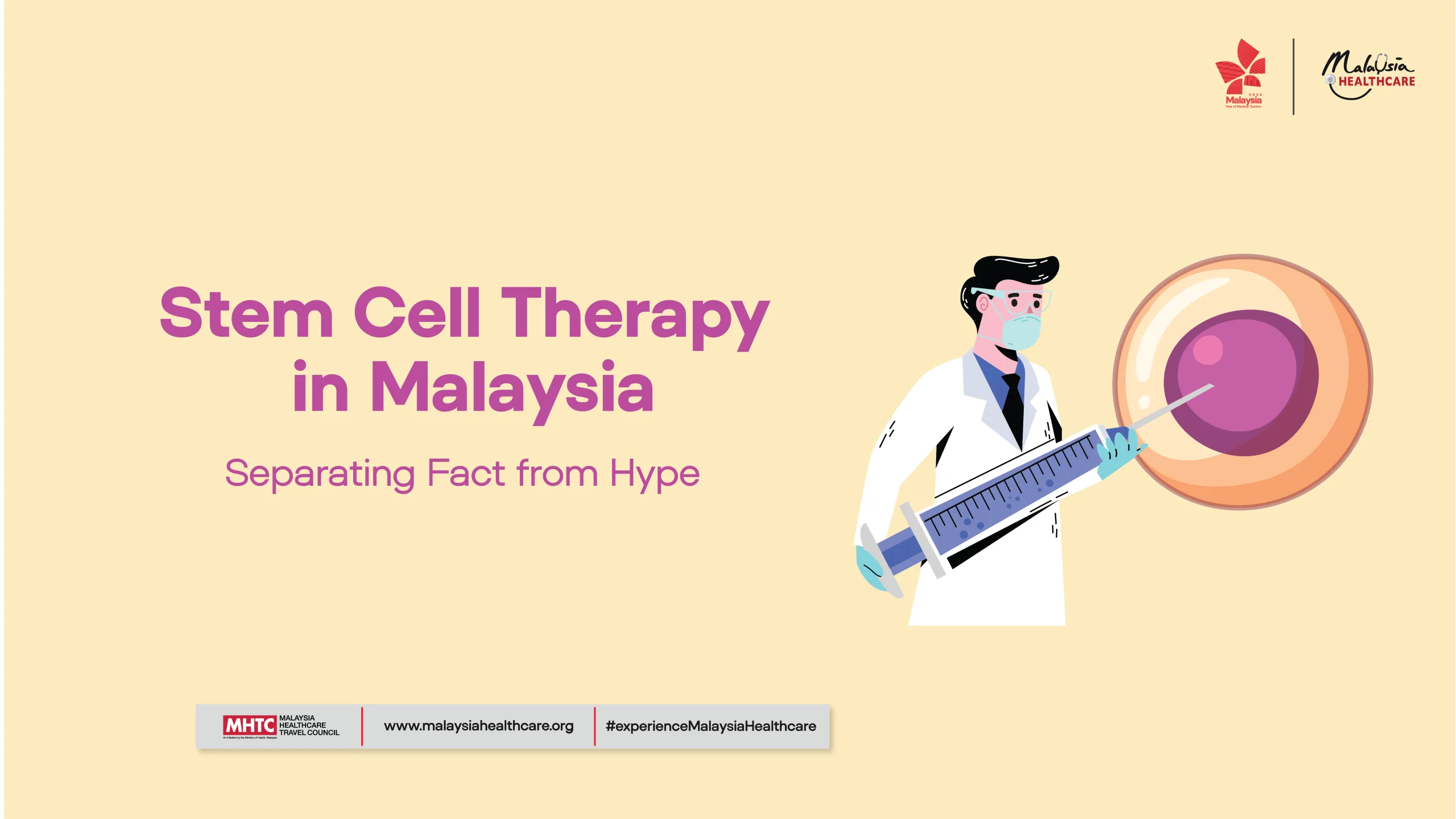
Stem cell treatments are often described as one of the most promising frontiers in modern medicine. At the same time, they are also among the most misunderstood. Claims of “miracle cures” and “anti-ageing solutions” frequently circulate online, making it difficult for the public to separate medical reality from marketing.
Understanding what stem cell treatments can and cannot do is essential before considering any form of care.
What Are Stem Cell Treatments?
Stem cells are cells with the ability to support tissue repair and regeneration. In current medical practice, most clinical applications involve adult stem cells, particularly mesenchymal stem cells, which are studied for their role in reducing inflammation and supporting healing.
Today, stem cell–based interventions are mainly explored for:
It is important to note that stem cell treatments do not regenerate whole organs, reverse ageing, or cure complex diseases. Their role, where studied, is generally supportive rather than curative.
Understanding the Risks and Limitations
Stem cell therapy is often perceived as “natural” and therefore risk-free. This is incorrect.
Potential concerns include:
Globally, serious complications have most often been linked to unregulated providers, exaggerated claims, or treatments offered without adequate medical governance.
This is why regulation, ethics, and clinical accountability are critical.
Regulatory Context in Malaysia
At present, no stem cell or cell-based therapy product has been approved or registered by Malaysia’s National Pharmaceutical Regulatory Agency (NPRA) as a medicinal product for routine clinical use.
In Malaysia, information on stem cell–based interventions is approached cautiously and within the broader framework of medical practice, ethics, and patient safety. Where such interventions are discussed or explored, they are subject to:
Patients are encouraged to seek qualified medical advice and to understand the current regulatory status and evidence limitations before considering any treatment.
Why Informed Decision-Making Matters
As interest in regenerative medicine grows worldwide, patients are increasingly travelling across borders in search of treatment. However, not all destinations apply the same standards of oversight or patient protection.
Making an informed decision means:
Malaysia’s Approach
Malaysia’s healthcare ecosystem places strong emphasis on:
This cautious and responsible approach reflects the country’s commitment to evidence-based care and informed patient choice, particularly in emerging areas of medicine.
A Final Note
Stem cell science continues to evolve, and ongoing research may shape future standards of care. Until then, balanced information, professional medical advice, and realistic expectations remain essential.
Patients should always consult qualified healthcare professionals and verify information with relevant authorities before making healthcare decisions.
Disclaimer
This content is provided for general information and public education only. It does not constitute medical advice, endorsement, or promotion of any specific treatment or provider.