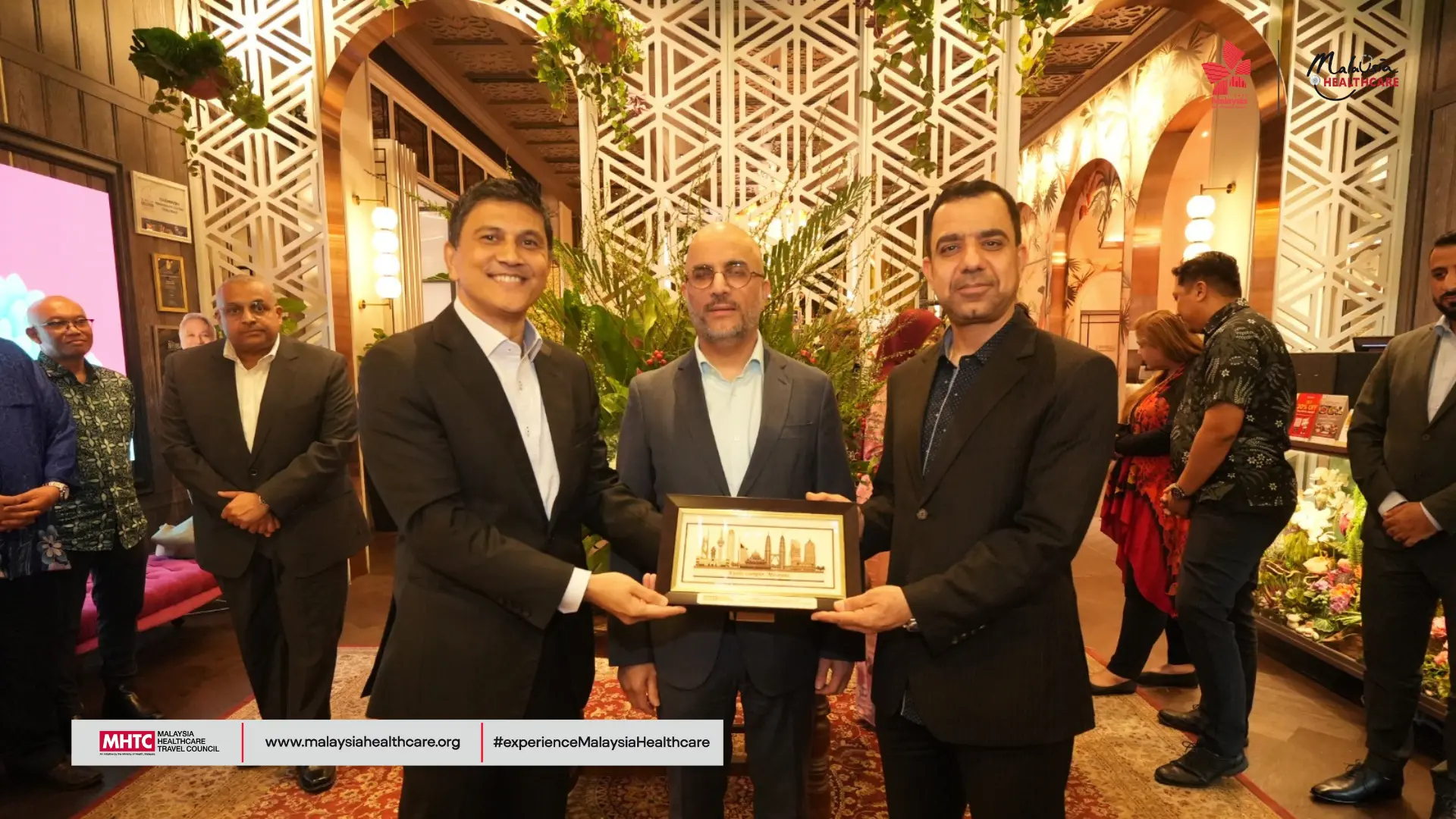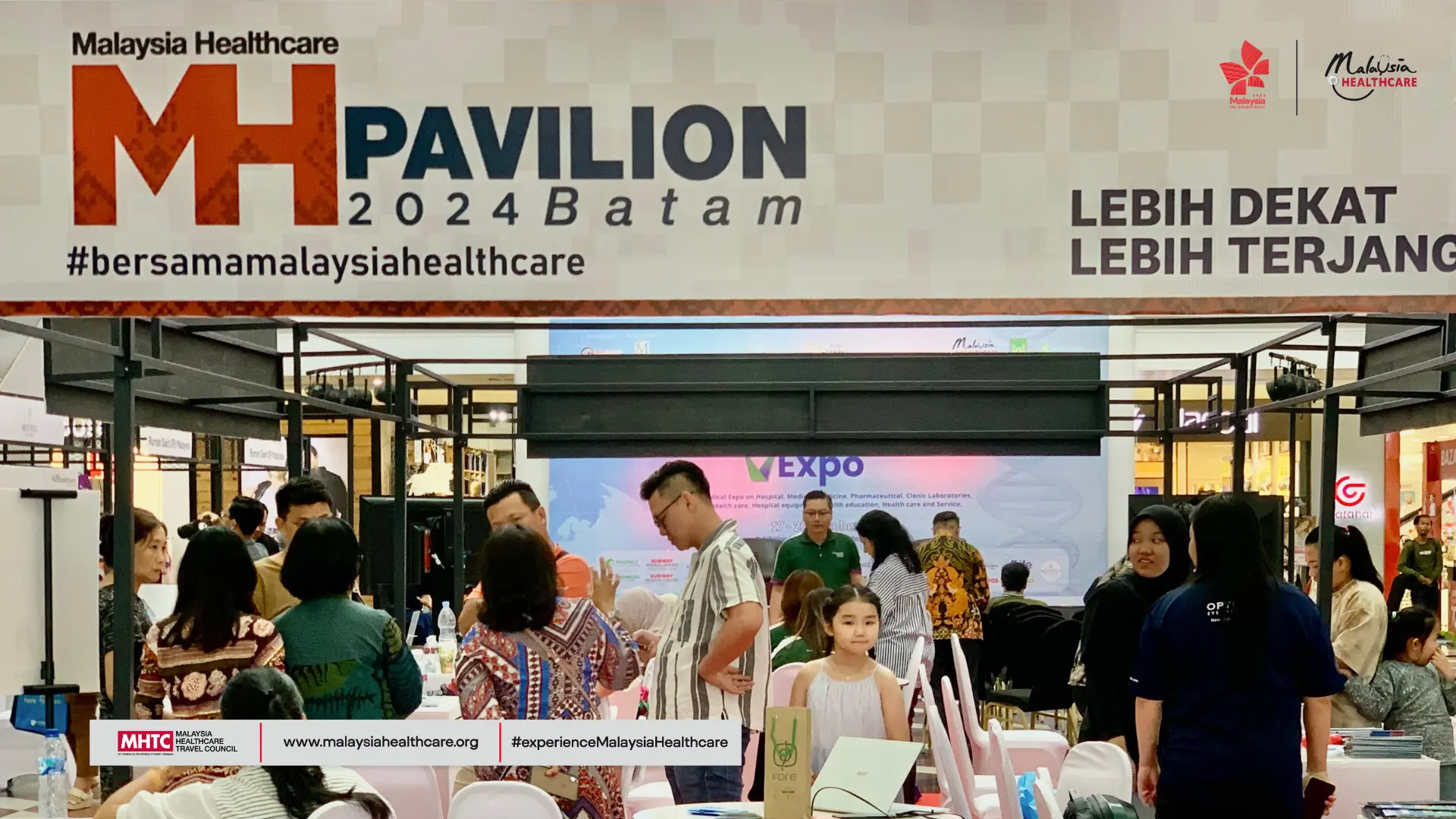


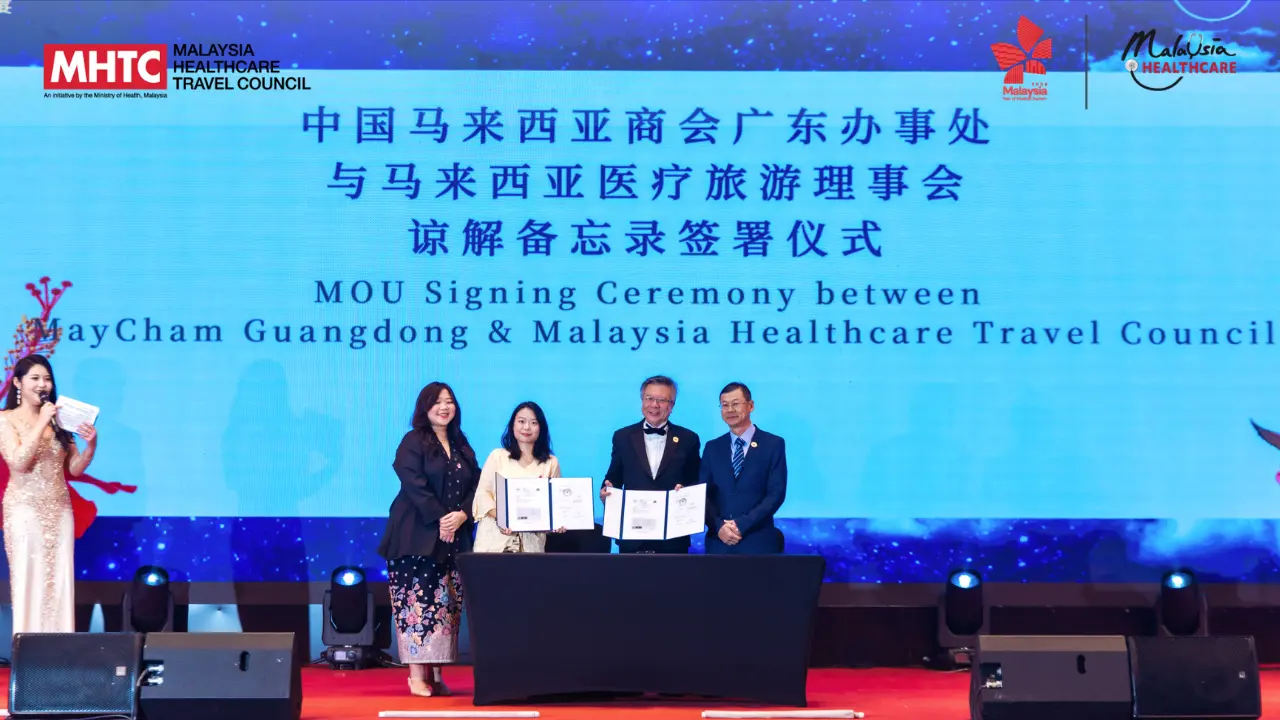
GUANGZHOU, 11 May 2026 – Malaysia is accelerating its engagement with China’s healthcare ecosystem through a strategic partnership between the Malaysia Healthcare Travel Council (MHTC) and MayCham China Guangdong Office, formalised through a Memorandum of Understanding (MoU) at the Visit Malaysia 2026 Forum and Gala Dinner held in Guangzhou on 9 May 2026.
MHTC’s participation in the forum reflects its focused approach to strengthening Malaysia’s presence in the China market through targeted, high-impact engagements. At the forum, MHTC advanced Malaysia Healthcare’s value proposition through strategic engagements with key stakeholders, while driving business matching efforts to build credible, long-term partnerships within the Greater Bay Area.
The MoU represents a strategic shift towards a more structured and sustainable approach to market development. Anchored on a business-to-business ecosystem model, the collaboration positions both MHTC and MayCham Guangzhou as facilitators of high-value connections, focusing on enabling partnerships, strengthening networks, and expanding access to key stakeholders within the Greater Bay Area.
Through this partnership, Malaysia Healthcare will be embedded within MayCham’s established corporate and institutional network, unlocking access to pre-qualified intermediaries, corporates, and decision-makers. This enables a transition from broad-based outreach to precision-targeted engagement, while laying the foundation for a scalable referral ecosystem that supports long-term growth in healthcare travel.
Beyond market access, the collaboration reinforces Malaysia’s position as a credible and trusted healthcare destination. By leveraging MayCham’s role as a neutral and reputable chamber platform, the partnership enhances confidence among stakeholders, reduces market entry barriers, and ensures sustained visibility within one of China’s most dynamic economic regions.
ENDS



.webp)